Bangkok, Thailand, 18 May 2026—Thailand is moving closer to finalizing its plan to improve methane emissions measurement, reporting, and verification (MRV) systems, paving the way for the country to develop more targeted methane mitigation strategies to support its greenhouse gas emissions reduction goal.
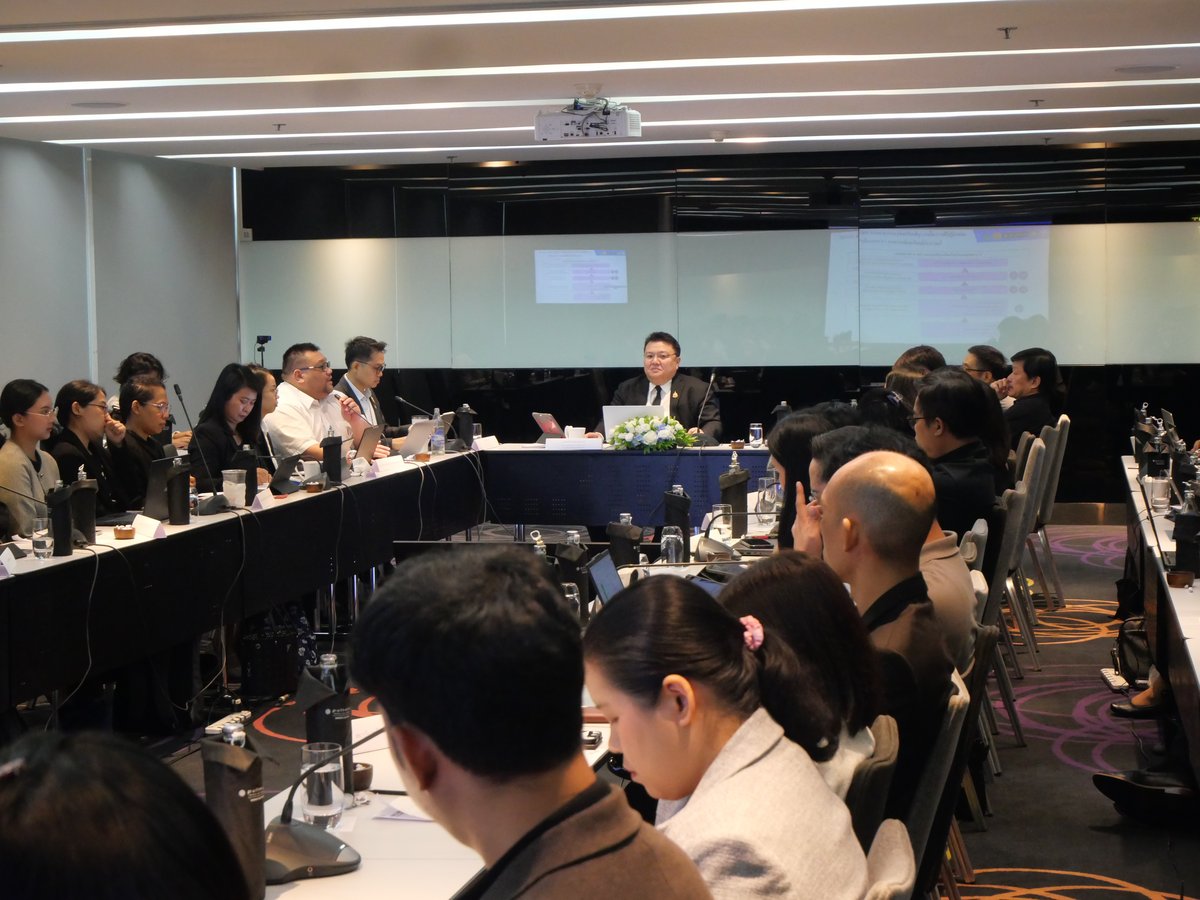
Thai stakeholders from relevant government agencies and private companies in the agriculture, waste, energy, and industrial processes and product use sectors gathered at the second consultation meeting organized on 12 May 2026 under the ASEAN-Korea Cooperation for Methane Mitigation (AKCMM) project. AKCMM is a regional initiative funded by the ASEAN-Korea Cooperation Fund that aims to support ASEAN countries in reducing methane emissions. It is Implemented by the Global Green Growth Institute (GGGI). In Thailand, it partners with the Department of Climate Change and Environment (DCCE).
At the meeting, stakeholders reviewed and provided recommendations on the draft improvement plan following earlier consultations held in March this year to discuss the findings of the gaps analysis of Thailand’s methane emissions data. The draft plan outlines actions to address the gaps in methane emissions data used for reporting Thailand’s national greenhouse gas inventory that informs the country’s greenhouse gas emissions and removals. This includes improving activity data collection and developing country-specific emission factors to enable more accurate methane emissions estimates.
“This is to upgrade the implementation and development of Thailand’s greenhouse gas inventory in concrete terms,” said Kittisak Prukkanone, DCCE’s Director of the Division of Strategy and International Cooperation, during one of the meetings.
Following the conclusion of the consultations, the project will finalize the gap analysis and plan for improvement by June 2026.
Methane is responsible for around 30% of the rise in global temperatures and has a global warming potential 28 times higher than carbon dioxide (CO₂) over 100 years. In Thailand, methane emissions in 2022 accounts for about 23% of the country’s total greenhouse gas emissions, of which 63.53% came from agriculture, 23.85% from waste, 12.19% from energy, and 0.43% from industrial processes and product use.