Seeing the Invisible: How Malaysia is Turning Methane from a Hidden Threat into Opportunity for Green Growth and Climate Action
Methane is one of the most potent contributors to climate change impacts, trapping heat over 25 times more effectively than carbon dioxide. In Malaysia, methane escapes daily from places like landfills, palm oil mills, rice paddies, wastewater treatment plants, and oil and gas facilities. It is an invisible and odorless culprit— and thus is often overlooked and underestimated, presenting obstacles despite methane reduction seeming like an obvious step in the fight against climate change.
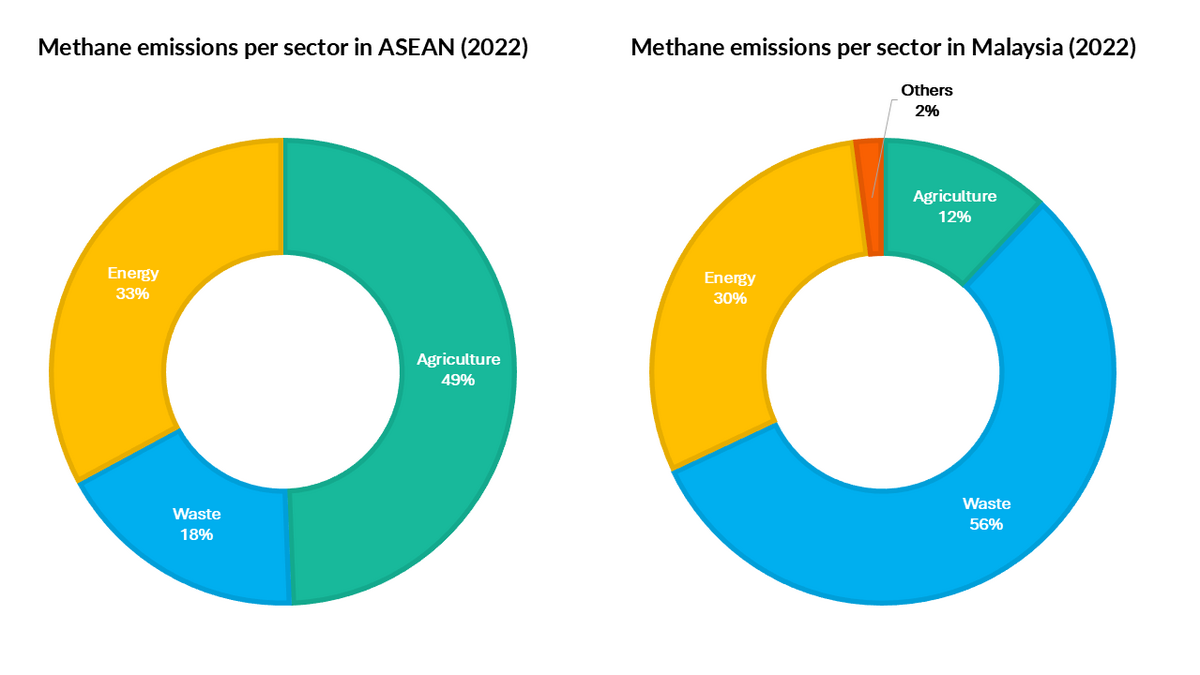
Methane emissions per sector in ASEAN and Malaysia in 2022
The ASEAN-Korea Cooperation for Methane Mitigation (AKCMM) Project is tackling this challenge through a regional effort to reduce methane emissions. Funded by the ASEAN-Korea Cooperation Fund (AKCF) and implemented by the Global Green Growth Institute (GGGI), AKCMM is a three-year, USD 20 million program that helps Southeast Asian countries, including Malaysia,[1] to strengthen institutional, technical, and financial foundations for methane mitigation while fostering regional knowledge sharing and capacity building.
More about the project: [ASEAN-Korea Cooperation for Methane Mitigation]
[1] AKCMM is implemented across ASEAN Member States (AMS) except Myanmar and Timor Leste. It is tailored to the specific needs of AMS, thus, four project outputs are also tailored accordingly.
The People Behind the Fight Against Methane
On July 31, the AKCMM Project officially launched in Malaysia, securing the commitment of key government institutions as partners. In her remarks, Datuk Nor Yahati Binti Awang, Deputy Secretary General of the Ministry of Natural Resources, Environment and Sustainability (NRES) emphasized Malaysia’s drive to strengthen methane mitigation efforts in alignment with national climate goals and to support ASEAN’s collective vision for a low-carbon and climate-resilient future.
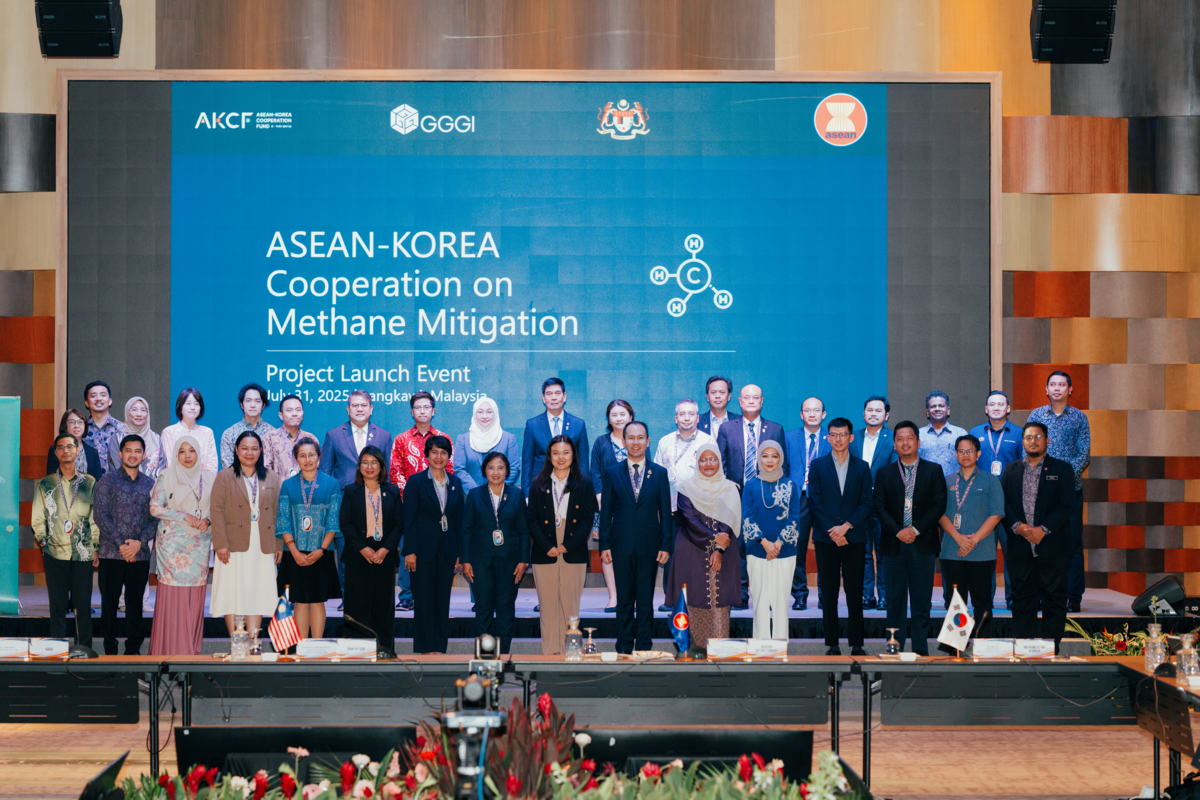
Official AKCMM Project Launch Ceremony in Malaysia (2025)
The launch coincided with Malaysia’s chairmanship of ASEAN in 2025 under the theme “Inclusivity and Sustainability”, and took place alongside several meetings of ASEAN Senior Officials on the Environment (ASOEN).
During the launch, Malaysia established the Methane Reduction Committee (MRC) under the National Steering Committee on Climate Change (NSCCC), marking the start of key activities such as multi-stakeholder discussions to identify priority sectors for the greatest impact. The MRC oversees and advises on major project activities and is chaired by MyGHG, Malaysia’s National GHG Centre.
Building Data Systems: The Foundation of Methane Mitigation
Reliable data lies at the heart of methane mitigation in Malaysia. Without accurate and consistent data, it is impossible to determine each sector’s methane emissions or to design the right interventions to reduce them. Yet, significant data gaps limit effective measurement and management of Malaysia’s methane emissions.
Ms. Suzalina Binti Kakaruddin, Deputy Undersecretary of NRES Climate Change Division, remarked that improving data systems calls for the establishment of a centralized, standardized information platform for greater accessibility, transparency, and efficient tracking.
Accordingly, a key component of the AKCMM Project is the strengthening of Malaysia’s Measurement, Reporting, and Verification (MRV) system, a framework to track GHG emissions with accuracy and transparency. This will help stakeholders manage methane data more efficiently and report more effectively to the United Nations Framework Convention on Climate Change (UNFCCC) under the Enhanced Transparency Framework (ETF). Furthermore, future iterations of Malaysia’s Biennial Transparency Report (BTR) will be improved to highlight methane as a standalone topic and emphasize the importance of methane monitoring and reporting, improving upon the first BTR—which did not have a dedicated section for methane.
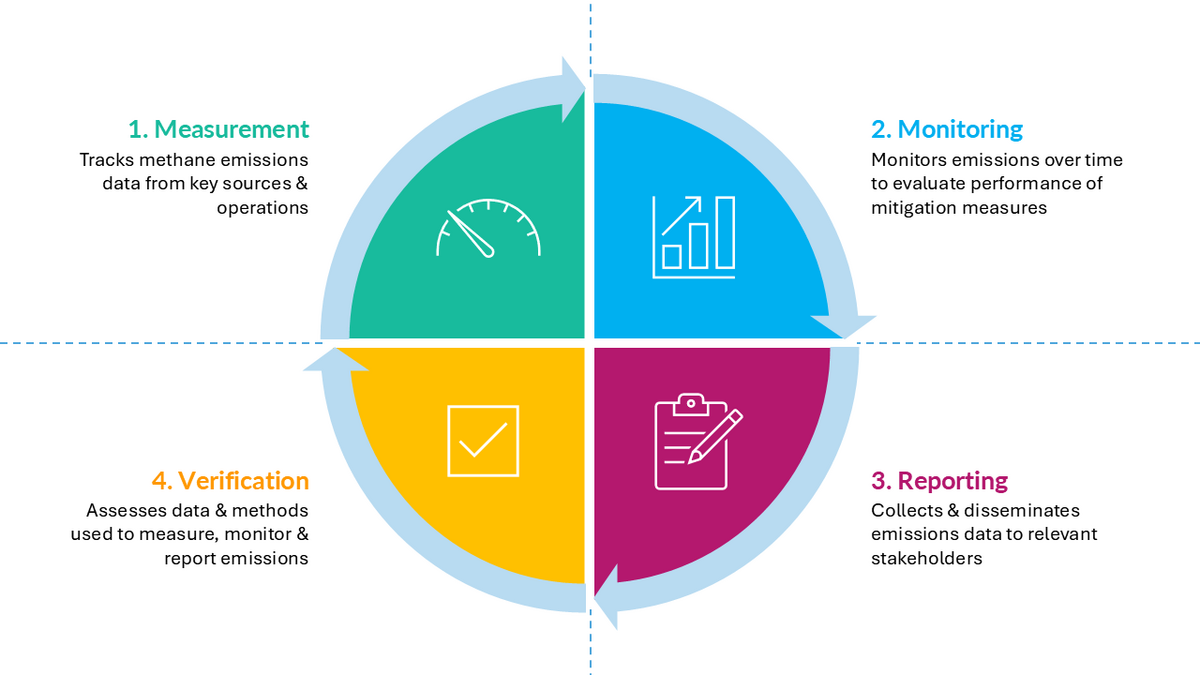
The project gap analysis also revealed the need to go beyond traditional MRV systems towards the more comprehensive, IPCC-recommended Measurement, Monitoring, Reporting, and Verification (MMRV) approach. According to Dr. Dong Yeong Chang of the Climate Research Lab at Seoul National University (SNU), a key project partner, traditional MRV frameworks rely mainly on bottom-up calculations derived from statistical data. In contrast, MMRV introduces continuous and integrated data collection for greater accuracy and transparency. By adopting this approach, Malaysia is building the data backbone needed to monitor progress, enhance transparency, and take targeted, science-based action to curb methane emissions.
Components of the MMRV approach
Prioritizing Sectors: The Twin Challenge of Waste and Methane
The AKCMM Project’s methane emissions inventory gap analysis identifies the waste sector as Malaysia’s top priority for methane mitigation. This sector contributes the largest share of national CH₄ emissions and offers the greatest reduction potential to help meet Malaysia’s Nationally Determined Contribution (NDC), which commits to an absolute reduction in GHG emissions of up to 30 million tons of CO₂-equivalent by 2035. Because methane is a fast-acting climate pollutant, early mitigation in the waste sector also strategically supports Malaysia’s long-term goal of reaching net-zero GHG emissions by 2050
Within Malaysia’s waste sector, solid waste presents a significant opportunity for substantial reductions. To date, Malaysia operates 137 landfill sites, about 85% of which are open dumps that emit methane at levels 4.5 times higher than sanitary landfills.
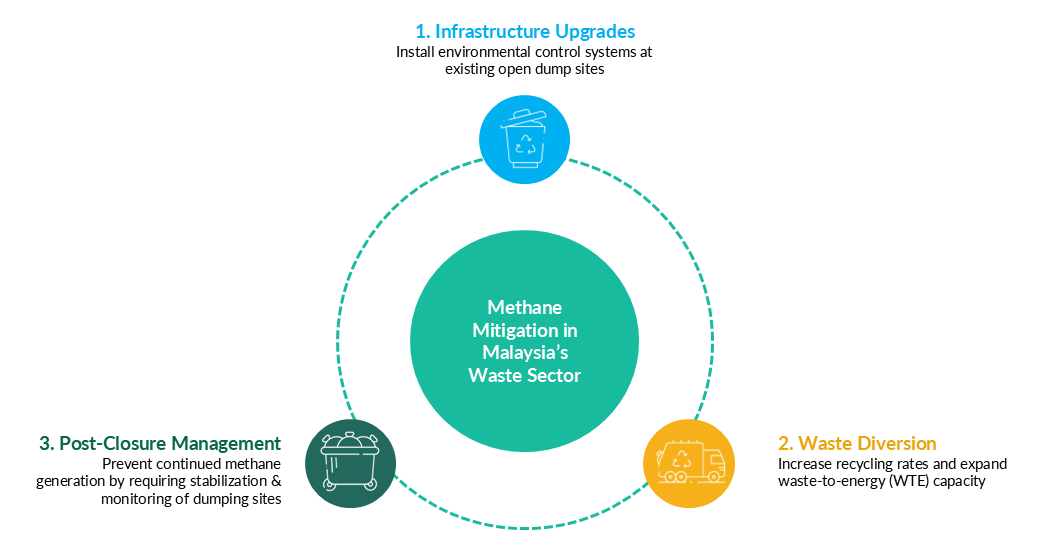
In response, the AKCMM Project recommends a three-pronged strategy tailored to the country’s context:
Proposed recommendations for methane mitigation in Malaysia’s waste sector
Another AKCMM Project component facilitates the sharing of knowledge from local experts by leveraging Malaysia’s very own industries. A recent joint visit by the AKCMM Project Team, NRES, and the Department of Energy to the Cypark SMART WTE Facility underscored the potential of WTE technologies to reduce methane emissions and generate clean energy. This is Malaysia’s first and only operational WTE facility, converting municipal solid waste into renewable energy while minimizing landfill use.
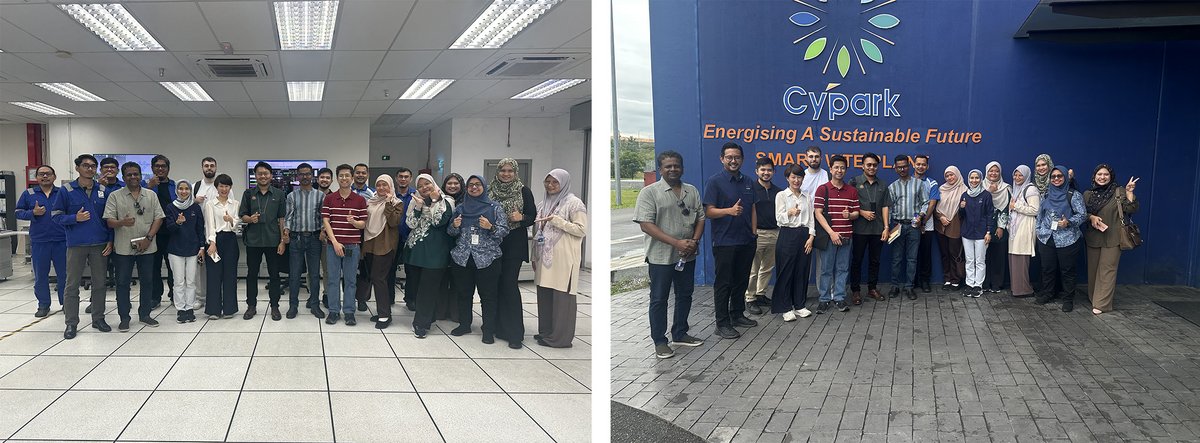
AKCMM Project site visits in Malaysia.
Nor Azah Binti Masrom, Head of Operational Sustainability at Cypark, said that through this WTE facility, Cypark aims to transform Malaysia’s waste challenge into an engine for clean energy growth starting with landfill rehabilitation. By promoting a circular economy, the facility has so far avoided 207,428 tCO₂e in emissions and generated 324,613 MWh of renewable energy—enough to power over 76,000 households annually. Cypark’s work exemplifies how turning waste into energy can transform Malaysia’s waste management challenge into opportunities for clean energy growth—a step forward in tackling the twin challenges of waste and methane.
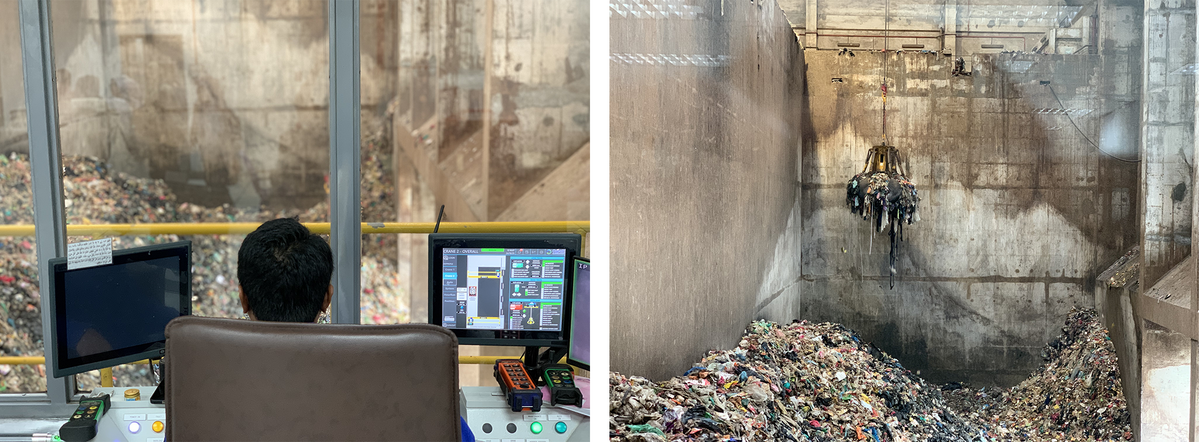
An operator at the Cypark WTE plant is behind the controls for moving and piling solid waste from domestic sources.
Sharing Knowledge: Collaborating on Solutions and Best Practices
Alongside Malaysia’s national partners, a Korean consortium composed of Weatherpia Co., Ltd. and the Climate Research Lab at Seoul National University (SNU) is also providing vital expertise and experience. The consortium has conducted a thorough review of Malaysia’s MRV systems, identifying both strengths and areas for enhancement that help to shape credible, impactful methane mitigation strategies that are grounded in data.
The consortium has also introduced innovative ways of monitoring methane in Malaysia, including satellites and on-the-ground methane-detecting tools that help to clarify where methane is leaking and how it can be reduced.
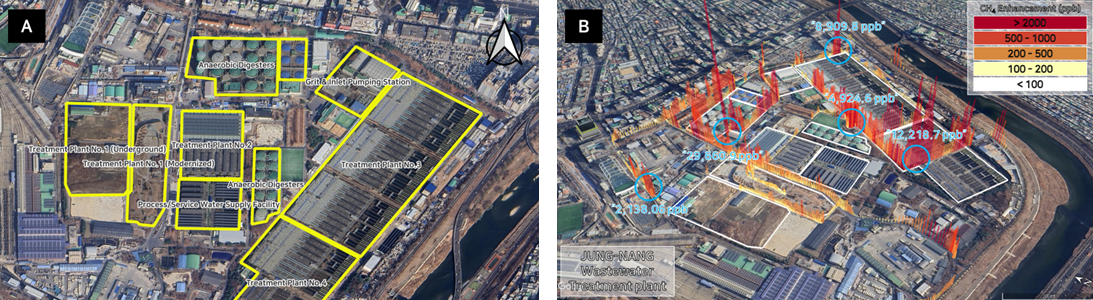
Advanced methane monitoring tools - combining satellite-based remote sensing with on-the-ground methane detection instruments and sensors - enable the identification and spatial mapping of emission hotspots, supporting targeted mitigation efforts in Malaysia
(Source: Seoul National University)

A robust, integrated MMRV system strengthens accountability and transparency by supporting measurement and data quality, standardized reporting, and independent verification.
With guidance from government and academic partners and results of the gap analysis, these critical data points provide the foundation for the project’s key outputs, namely Methane Reduction Plan (MRP), Methane Reduction Plan (MRP), provision of support to the Paris Agreement ETF, and development of a regional knowledge platform.
Looking Ahead: A Turning Point for Malaysia
As Malaysia advances toward high-income status, the country faces the dual challenges of sustaining economic growth while safeguarding the environment. Rising prosperity also means rising energy demand and waste production, making it essential to align development with climate responsibility, particularly given the strong links between Malaysia’s key sectors and methane emissions.
Much like methane itself—invisible yet powerfully present—the challenges of climate change often go unseen until their impacts become impossible to ignore. By learning to “see the invisible,” Malaysia is beginning to uncover where action is most needed and how progress can be measured. The AKCMM Project is strengthening data systems, building institutional capacity, and sharing knowledge to better track and reduce emissions, allowing Malaysia to capture value from thin air.