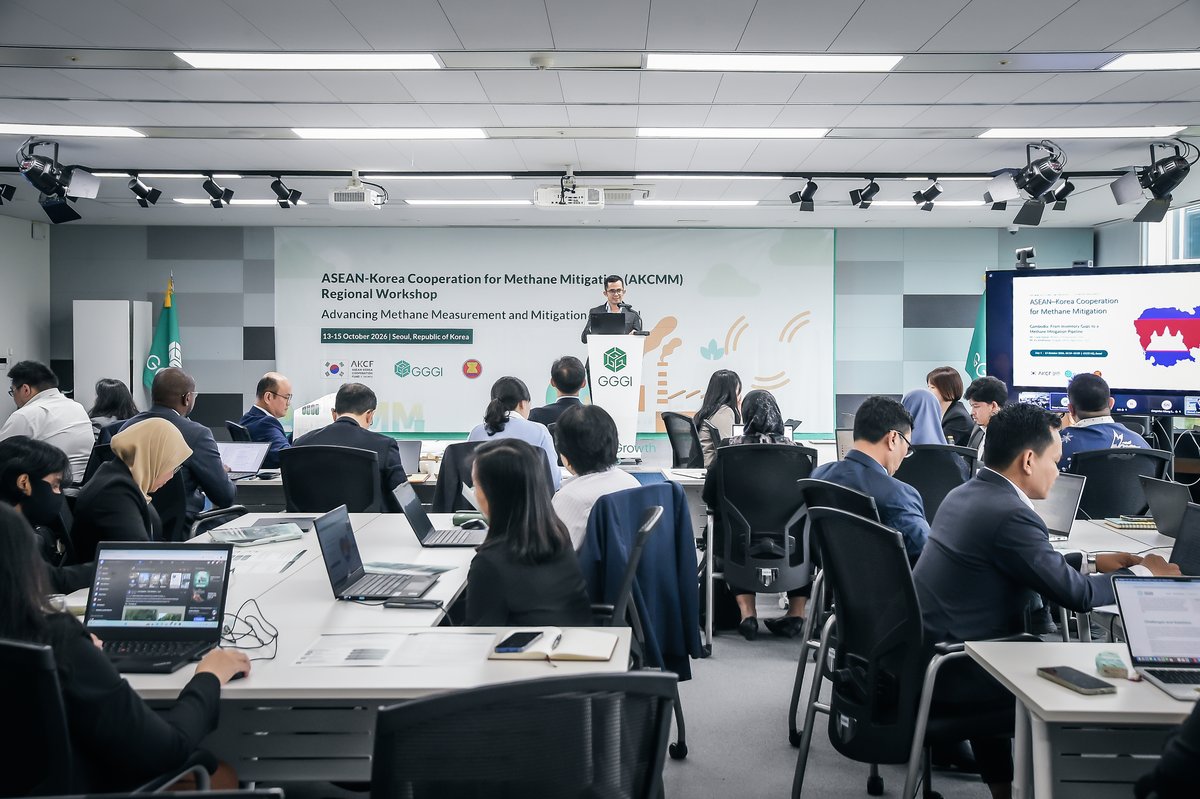
Seoul, Republic of Korea, October 15, 2026 – The Global Green Growth Institute (GGGI) held the ASEAN-Korea Cooperation for Methane Mitigation (AKCMM) Regional Workshop from October 13 to 15, 2026, at GGGI Headquarters in Seoul, under the theme Advancing Methane Measurement and Mitigation in ASEAN.
The three-day workshop brought together more than 50 participants, including representatives from all ten ASEAN Member States, the ASEAN Secretariat, government institutions, academia, technical experts, and the private sector. The program combined updates on AKCMM implementation with technical sessions on major methane emission sources, field visits focusing on livestock-related methane mitigation, and exchanges with private-sector representatives on technologies and potential areas for cooperation.
AKCMM is a USD 20 million regional project funded by the Republic of Korea through the ASEAN-Korea Cooperation Fund (AKCF). As the largest AKCF-funded project and the first initiative under the Partnership for ASEAN–Republic of Korea Methane Action (PARMA), AKCMM supports ASEAN Member States in strengthening methane-related policies and institutions, improving emissions measurement, and developing practical mitigation projects.
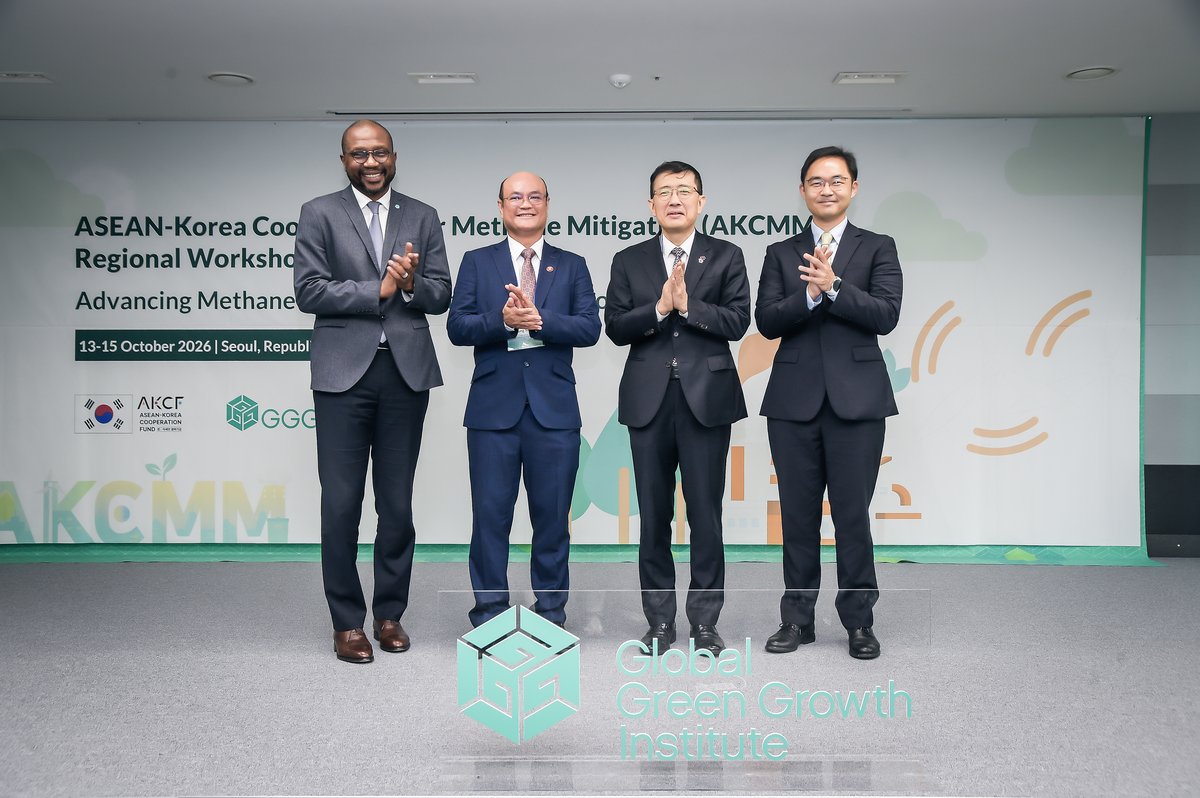
The workshop opened with remarks by Mr. Jeonghan Hahm, Minister at the Mission of the Republic of Korea to ASEAN; Mr. Santhosh Manivannan, Chair of the ASEAN Working Group on Climate Change (AWGCC) and Director at the National Environment Agency of Singapore, who joined online; Mr. Daegoog Ha, Director of the ASEAN Cooperation Division at the Ministry of Foreign Affairs of the Republic of Korea; Dr. Vong Sok, Assistant Director and Head of the Environment Division at the ASEAN Secretariat; and Dr. Malle Fofana, Deputy Executive Director of GGGI.
Mr. Hahm highlighted AKCMM as a flagship initiative for ASEAN–Korea cooperation on climate change, emphasizing its ultimate objective of achieving actual reductions in methane emissions.
Dr. Fofana reaffirmed GGGI’s commitment to strengthening institutional and technical capacities, advancing practical methane mitigation projects, and building lasting partnerships to achieve sustainable methane reductions across ASEAN.
During the workshop, ASEAN Member States participating in AKCMM activities shared updates on methane emissions gap assessments, national priorities, and the identification and development of mitigation projects. Presentations from Cambodia, the Philippines, and Thailand provided examples of ongoing project development and the technical and implementation issues being addressed at the country level.
Technical sessions covered methane measurement and mitigation in agriculture, livestock, waste management, and the oil and gas sector. Experts from academia, research institutions, international organizations, and the private sector shared their experience with measurement approaches, livestock methane management, and mitigation technologies, providing participants with technical inputs relevant to their national methane reduction efforts.
On October 14, with the support of the Livestock Environmental Management Institute (LEMI) of the Republic of Korea, participants visited Woosung Feed’s low-methane feed production facility in Asan and Icheon BioEnergy, a biogas facility in Icheon. The visits offered a closer look at methane mitigation practices in the livestock sector, including low-methane feed production and biogas generation from livestock manure and organic waste.
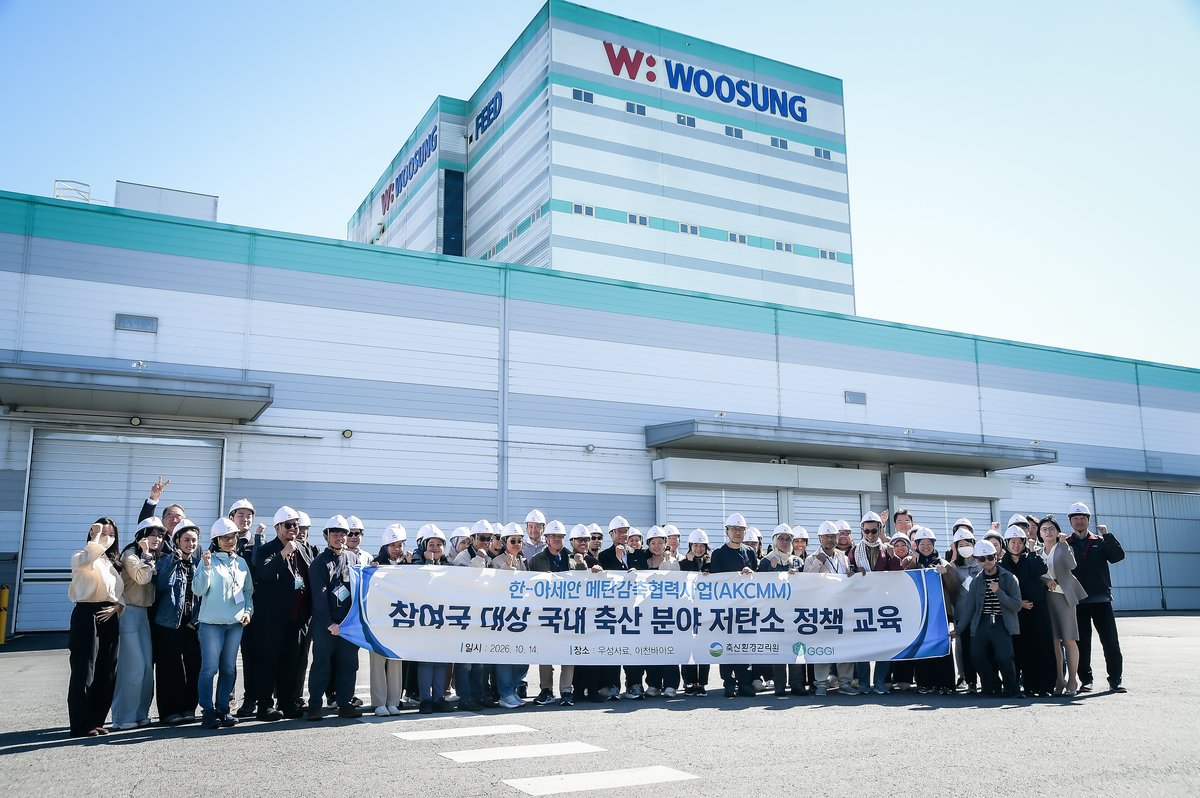
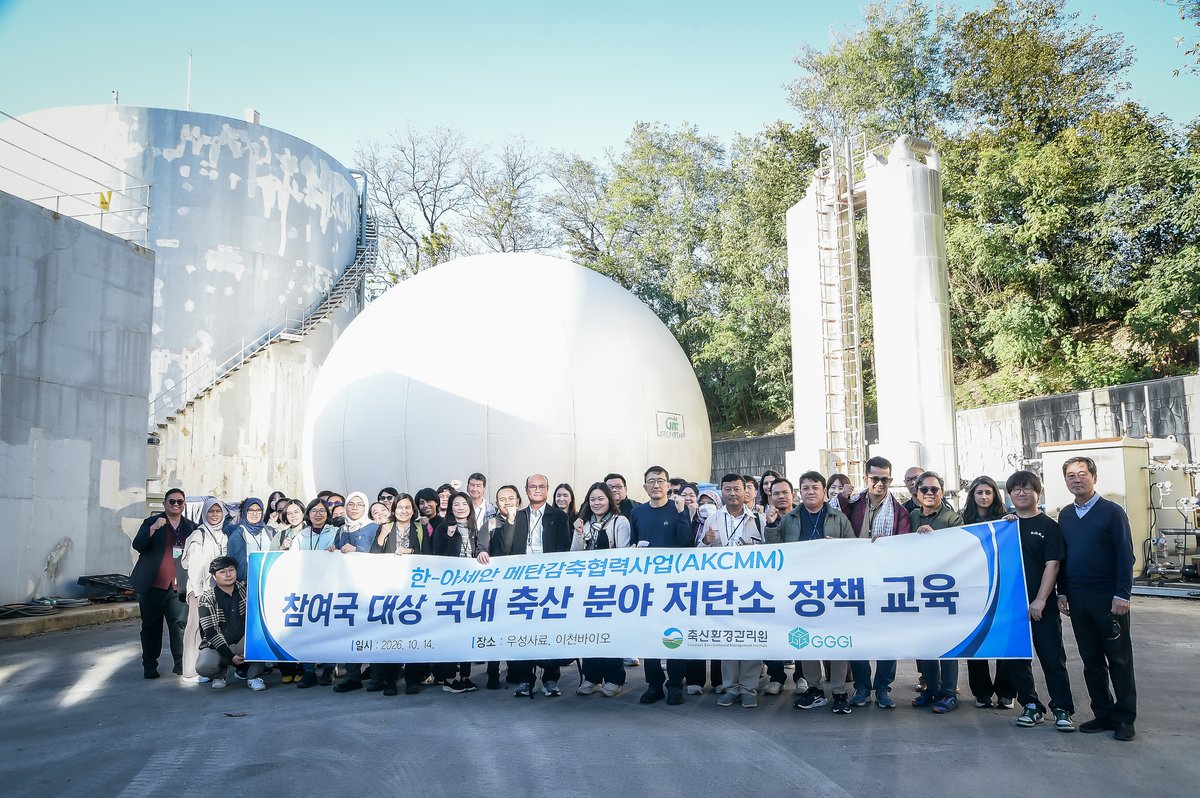
Private-sector participation was also an important part of the workshop. Through technical presentations and site visits, participants learned about technologies and approaches being developed and applied in Korea, while exploring opportunities for knowledge sharing and future cooperation between ASEAN Member States and private-sector partners.
The workshop concluded with a discussion on how the technical knowledge and experiences shared over the three days could inform methane mitigation activities in ASEAN countries, including areas where further technical assistance, capacity building, and partnerships may be needed.
GGGI will continue working with ASEAN Member States and partners through AKCMM to strengthen methane measurement and mitigation capacities and support the development and implementation of country-level mitigation projects.