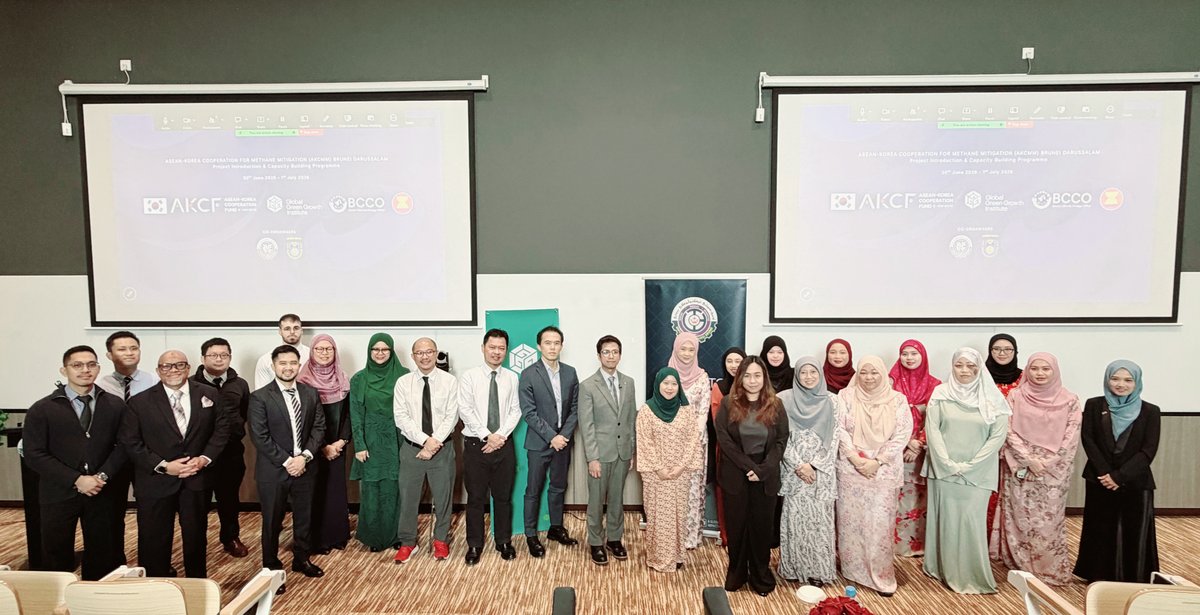
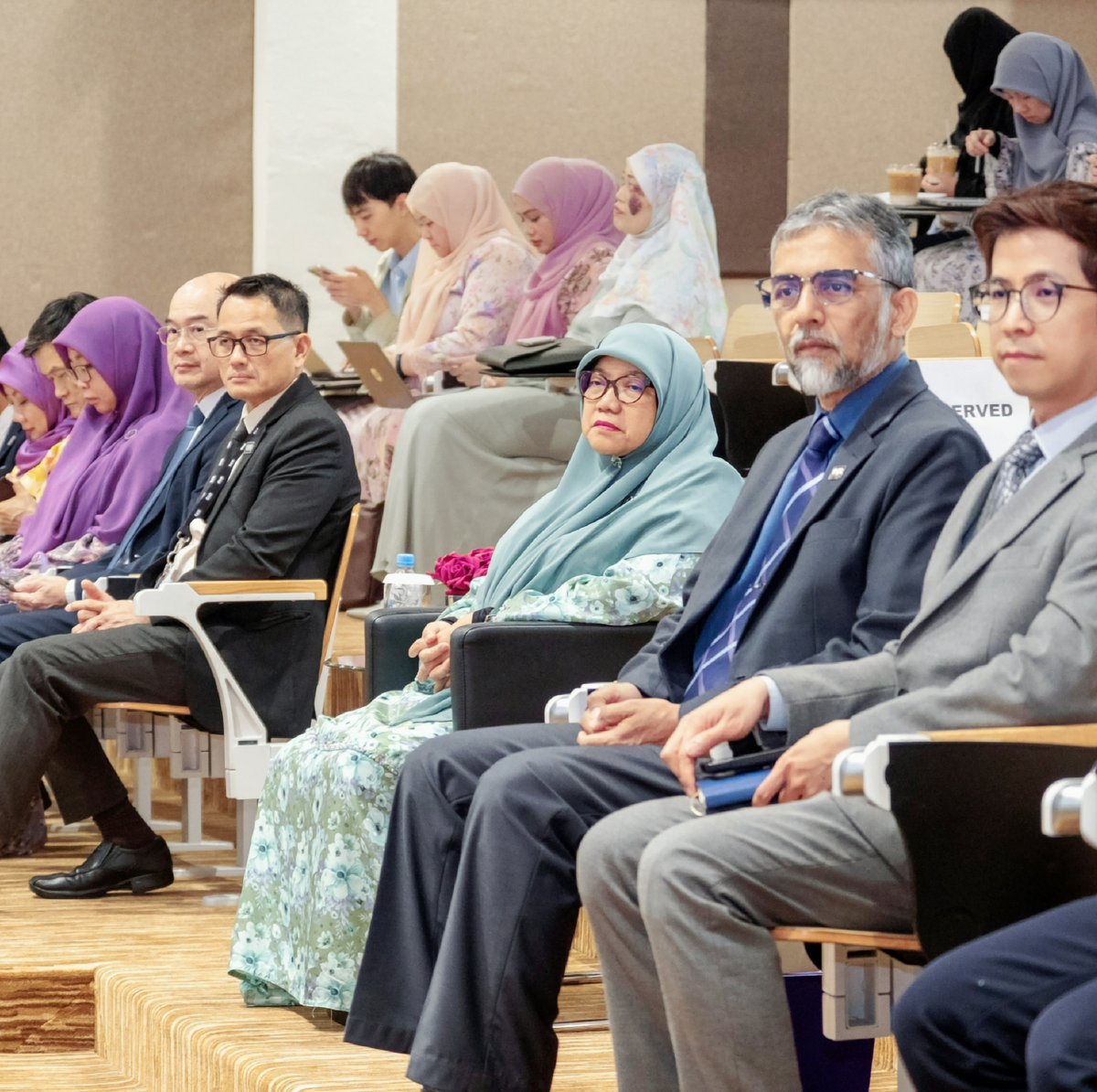
Bandar Seri Begawan, Brunei, June 30, 2026 – Brunei Darussalam has taken an important step toward strengthening its greenhouse gas (GHG) monitoring and climate action through the ASEAN-Korea Cooperation for Methane Mitigation (AKCMM) Project. The two-day AKCMM Project Introduction and Capacity Building Program, held at Universiti Teknologi Brunei, brought together government agencies, academia, industry, and international experts to enhance national capacity for greenhouse gas measurement, reporting and verification (MRV), emissions modelling, and methane mitigation.
Jointly organized by the Global Green Growth Institute (GGGI), the Brunei Climate Change Office (BCCO), Universiti Teknologi Brunei (UTB) and Universiti Brunei Darussalam (UBD) with support from the ASEAN-Korea Cooperation Fund (AKCF), the program supports Brunei Darussalam's efforts to strengthen its greenhouse gas inventory system, improve technical readiness for international climate reporting, and advance implementation of Brunei’s climate and development plans.
The opening ceremony was graced by Her Excellency Datin Paduka Professor Dr Dayang Hajah Zohrah binti Haji Sulaiman, Vice-Chancellor of Universiti Teknologi Brunei, with representatives from GGGI, BCCO, government agencies, industry stakeholders, academic institutions, and local and international climate experts.
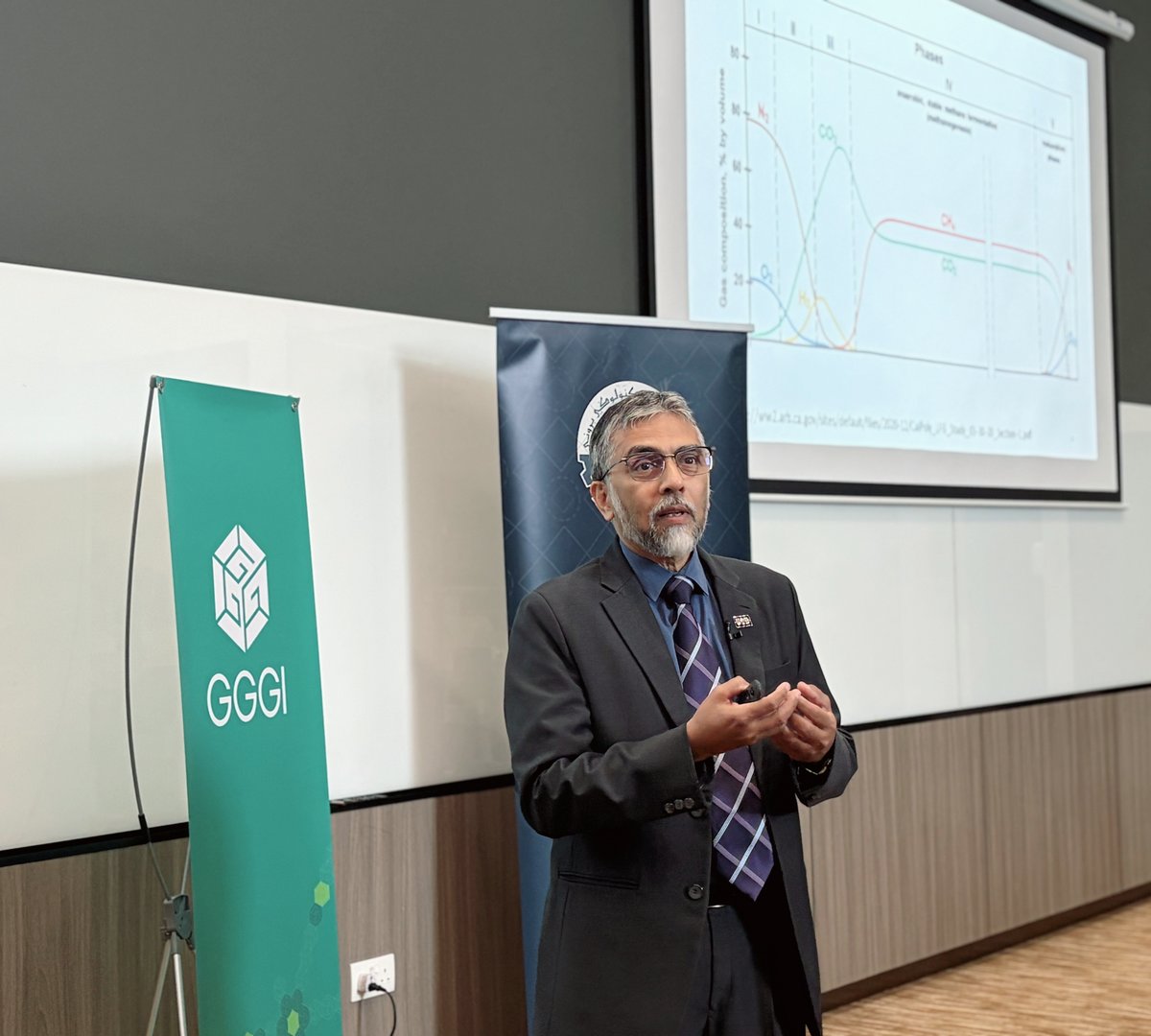
In his welcoming remarks, Professor Dr Mohamed Hasnain Isa, Assistant Vice-Chancellor (Research and Innovation) of UTB, highlighted the importance of collaboration among policymakers, industry practitioners and researchers in addressing climate-related challenges.
“Climate change is a complex challenge that cannot be addressed by any single institution. It requires collaboration, knowledge sharing, and collective action. The expertise gathered here presents a valuable opportunity to strengthen partnerships and advance climate-related initiatives that will benefit Brunei Darussalam and the wider region.”
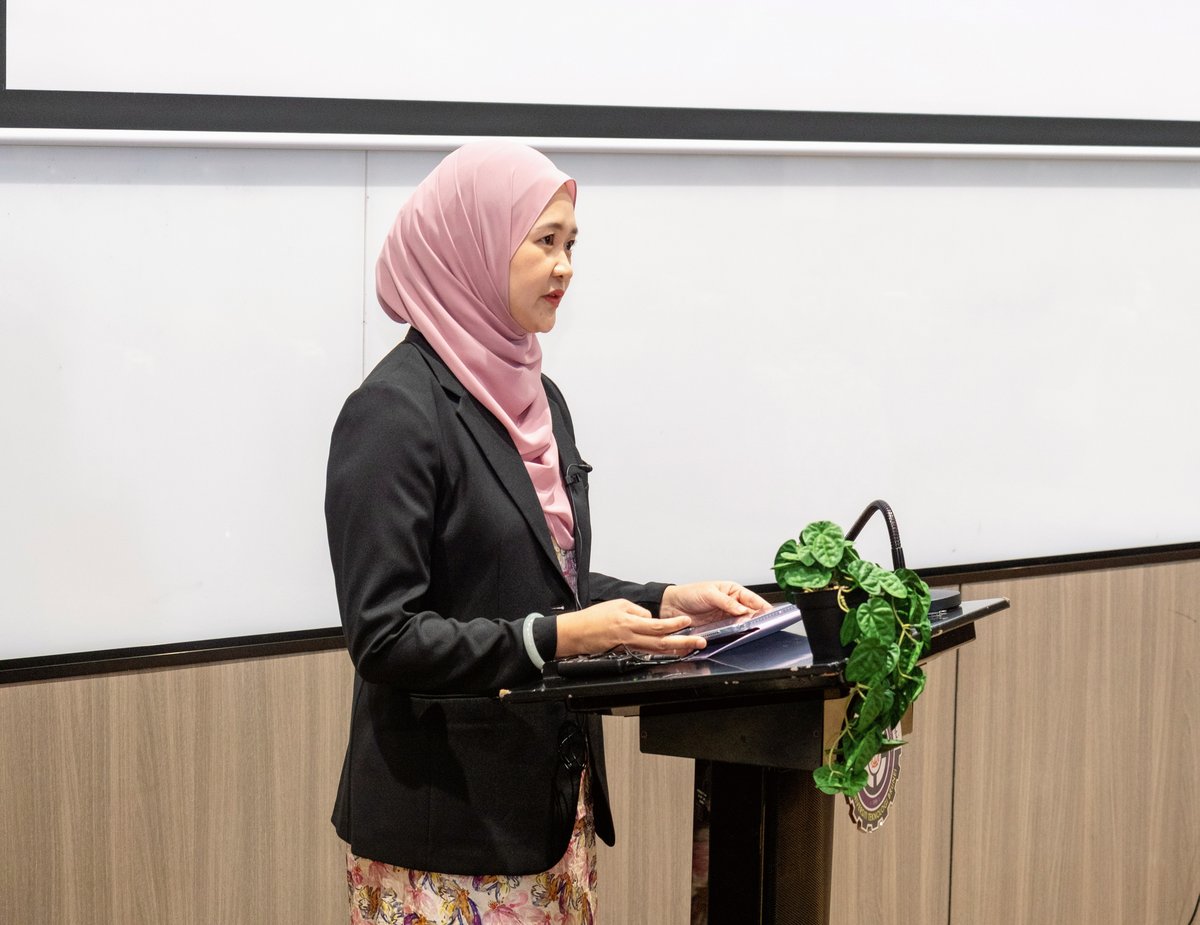
Representing Universiti Brunei Darussalam, Dr Elvynna Leong Md Dennis Leong highlighted the importance of strengthening technical capacity and robust MRV systems to support evidence-based climate policy and emissions reduction.
“Improving how we measure methane emissions— and ultimately how we reduce it — is among the most impactful steps any nation can take. For Brunei Darussalam, this introduction and capacity building program arises at a particularly important moment, as we advance our national commitments under the Brunei National Climate Change Policy, Updated Nationally Determined Contribution (NDC), and our Biennial Transparency Report.”
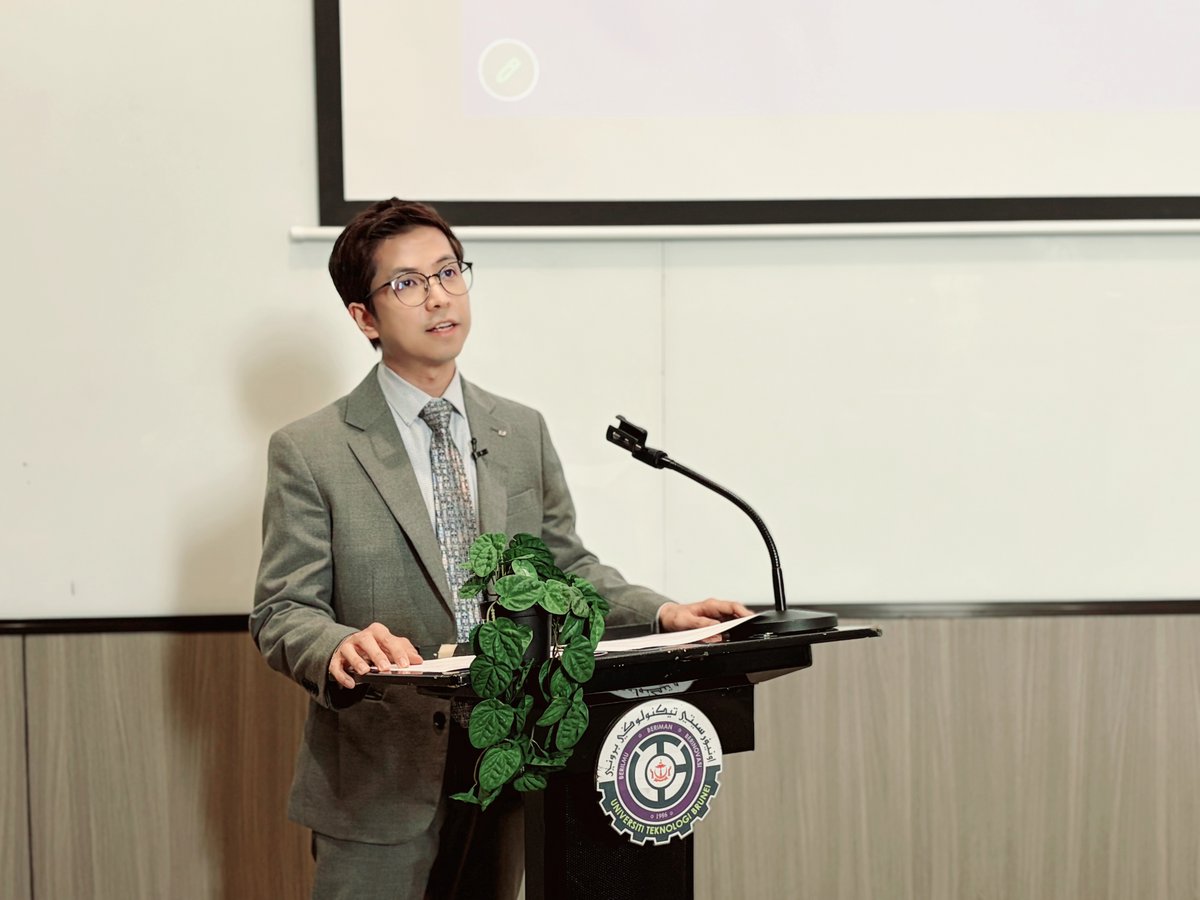
Furthermore, Chiden Balmes, Asia Regional Lead of GGGI, underscored the critical role of universities and research institutions in building the scientific foundations needed for effective climate policymaking.
“We need better data, stronger modeling capabilities, improved forecasting, and a clear understanding of where methane emissions come from and how they evolve over time. This is where I see the opportunity for UBD, UTB, and other academic actors — not simply as educational institutions, but as active national knowledge partners, as centers of research, as incubators of innovation, and as bridges connecting science with practical decision-making.”
The program brought together approximately 50 participants from government agencies, academia, industry and research institutions to discuss key topics related to greenhouse gas MRV, emissions modelling, methane mitigation, carbon capture technologies and emerging monitoring tools.
Technical sessions delivered by experts from UTB and UBD featured topics such as carbon capture, storage and utilization methods and technologies, GHG mitigation from landfill systems, and decarbonization efforts in the power sector. International experts from GGGI, WeatherPia, and Seoul National University's ClimateLab also contributed to discussions on methane MRV systems, emissions forecasting, monitoring technologies and institutional readiness for climate action. The program continued on 1 July, with technical sessions on sector-specific methane MRV challenges, methane measurement technologies, climate modelling, and pathways for translating technical findings into practical climate action.
The AKCMM Project is a regional initiative implemented across ASEAN Member States from 2024 to 2027 under the Partnership for ASEAN–Republic of Korea Methane Action (PARMA). The project aims to strengthen regional capacity for methane mitigation and support the development of robust GHG MRV systems.
In Brunei Darussalam, the project supports ongoing efforts to strengthen GHG accounting and reporting systems, enhance technical readiness for climate-related reporting obligations and reinforce collaboration among government, academia, and industry. By strengthening the country's climate information systems and institutional capacity, the AKCMM Project contributes to Brunei Darussalam's long-term transition toward a low-carbon and climate-resilient future.