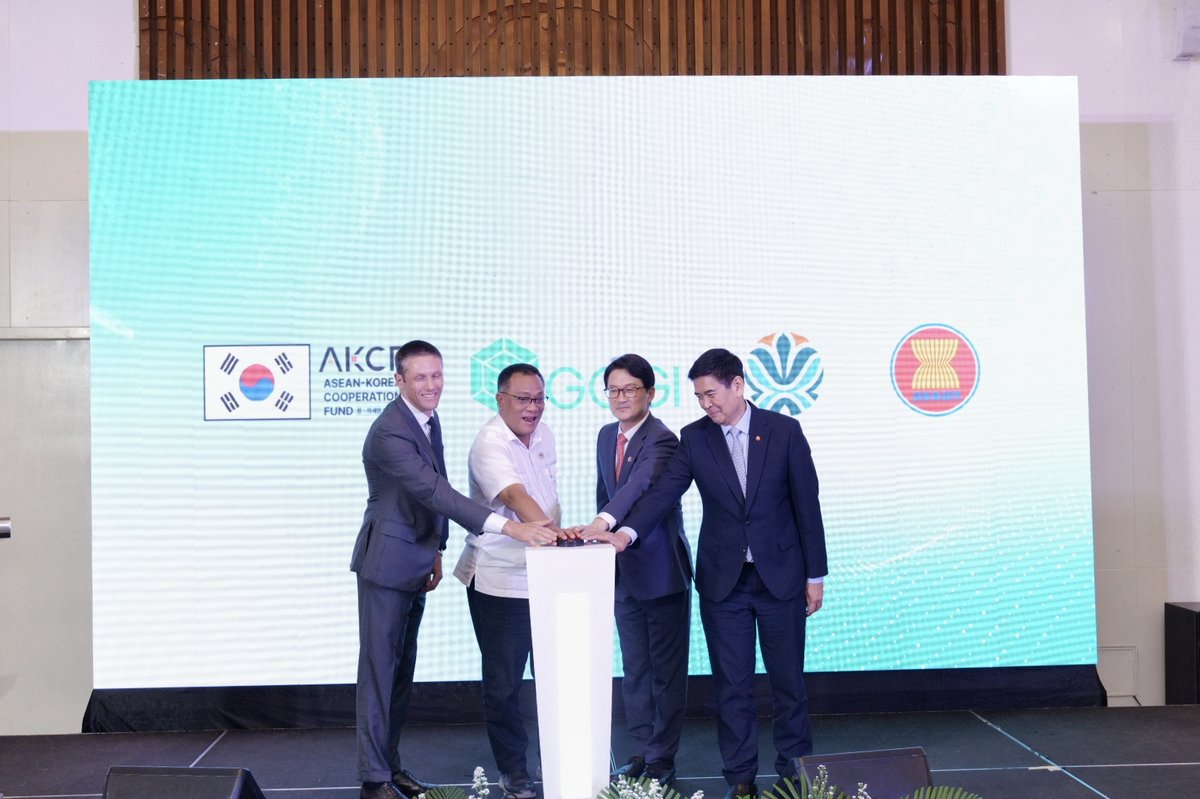
JAKARTA, May 21, 2026 – Indonesia is facing a critical threat from organic waste accumulation, which has become a significant contributor to greenhouse gas emissions. In response, the Ministry of Environment/Environmental Control Agency, with support from the Government of the Republic of Korea and in collaboration with the Global Green Growth Institute (GGGI), officially launched the ASEAN-Korea Cooperation for Methane Mitigation (AKCMM) project in Jakarta on May 21.
The launch was attended by Jumhur Hidayat, Minister of Environment of the Republic of Indonesia; H.E. LEE Chul, Ambassador of the Republic of Korea to ASEAN; and H.E. San Lwin, Deputy Secretary-General of ASEAN for the ASEAN Socio-Cultural Community
The launch marks Indonesia as the third ASEAN country to roll out the AKCMM initiative, following earlier events in Malaysia and the Philippines, reflecting growing regional momentum to tackle methane emissions through strengthened ASEAN–Republic of Korea cooperation. AKCMM itself is a three-year, USD 20 million program under the Partnership for ASEAN-ROK Methane Action (PARMA), supported by the Government of the Republic of Korea through the ASEAN-Korea Cooperation Fund (AKCF) The initiative targets not only infrastructure improvement but also the enhancement of technical capacity among member states to monitor emissions.
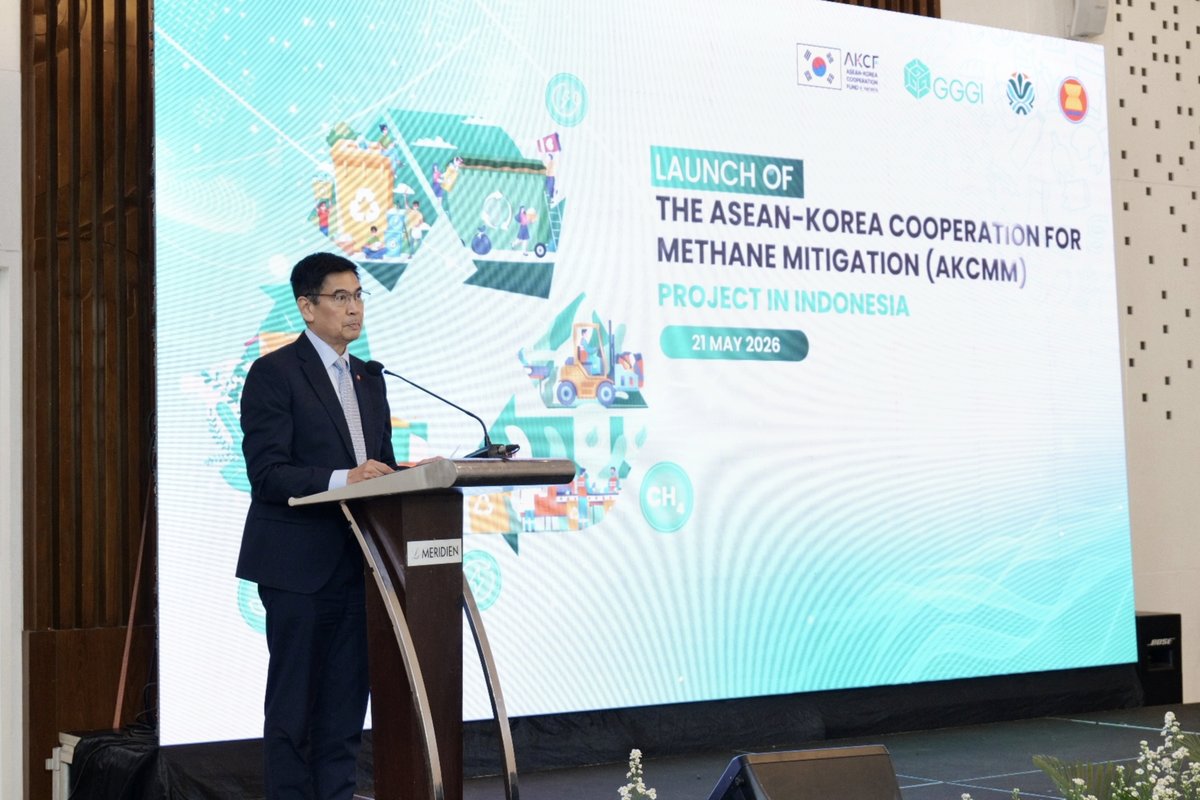
This strategic move serves as a vital intervention for the national waste emergency. Data from the Ministry of Environment indicates that of the 56.3 million tons of waste generated annually in Indonesia, only approximately 39% is properly managed. The remainder ends up in the environment and landfills, triggering the release of methane gas into the atmosphere.
This strategic move serves as a vital intervention for the national waste emergency. Data from KLH/BPLH indicates that of the 56.3 million tons of waste generated annually in Indonesia, only approximately 39% is properly managed. The remainder ends up in the environment and landfills, triggering the massive release of methane gas into the atmosphere.
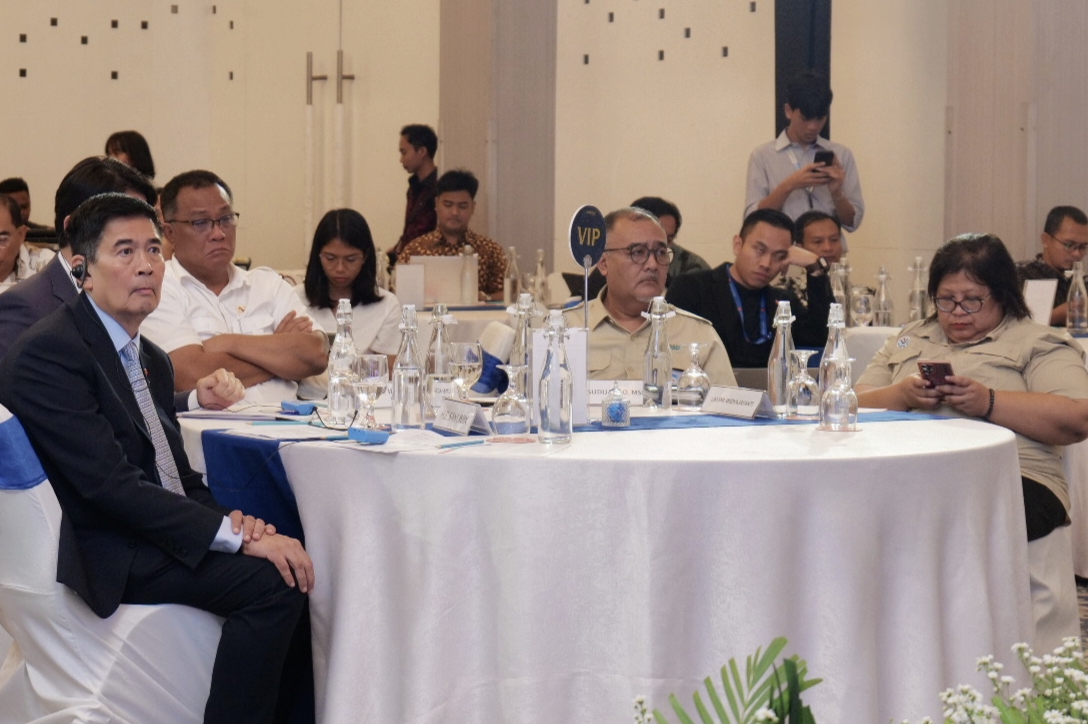
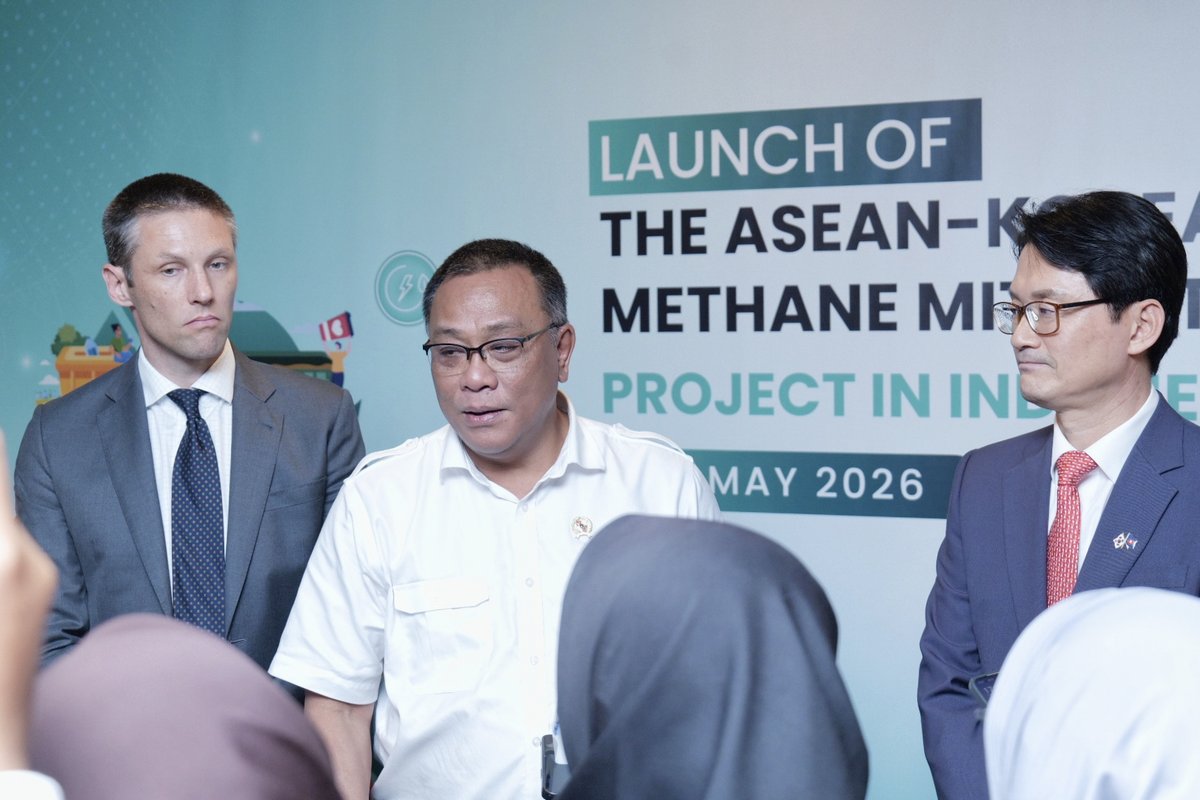
Jumhur Hidayat, Minister of Environment of the Republic of Indonesia, emphasized that organic waste management is now a top priority within national climate ambitions. With landfill compositions reaching 63% organic material, Indonesia's methane emission potential is estimated to hit 21 million tons of CO₂e.
"Waste management is not merely a matter of cleanliness; it is a crucial pillar of our climate action. Through the AKCMM project, Indonesia is committed to linking practical field solutions with ambitious methane reduction targets. We appreciate the support of the Republic of Korea and ASEAN in strengthening a greener and more sustainable waste management system," said Minister Hidayat.
Ambassador LEE Chul mentioned that the AKCMM project is the largest single project funded under the ASEAN-Korea Cooperation Fund (AKCF), and stated that the project represents the Republic of Korea Government’s strong commitment to contributing to climate change response and sustainable development cooperation in the region.
H.E. San Lwin, Deputy Secretary-General of ASEAN for the ASEAN Socio-Cultural Community, emphasized the importance of aligning regional efforts with ASEAN’s long-term climate strategy. “Methane mitigation remains an important component of ASEAN’s broader climate agenda and regional efforts toward low-carbon and climate-resilient development. In this regard, the AKCMM Project contributes meaningfully to strengthening regional cooperation, enhancing technical capacity, and supporting practical climate actions across ASEAN Member States," said Deputy Secretary-General Lwin.
Meanwhile, Rowan Fraser, GGGI Indonesia Country Representative emphasized that the project seeks to bridge the gap between central-level policy and field execution. The primary focus is to create data-driven, measurable systems that are attractive for green investment. "The AKCMM project is designed to bridge the gap between national policy and regional implementation. By improving emission measurement systems and designing appropriate financing schemes, we are not only reducing greenhouse gas impacts but also creating economic efficiencies in waste management across Indonesia's major cities," Mr. Fraser explained.
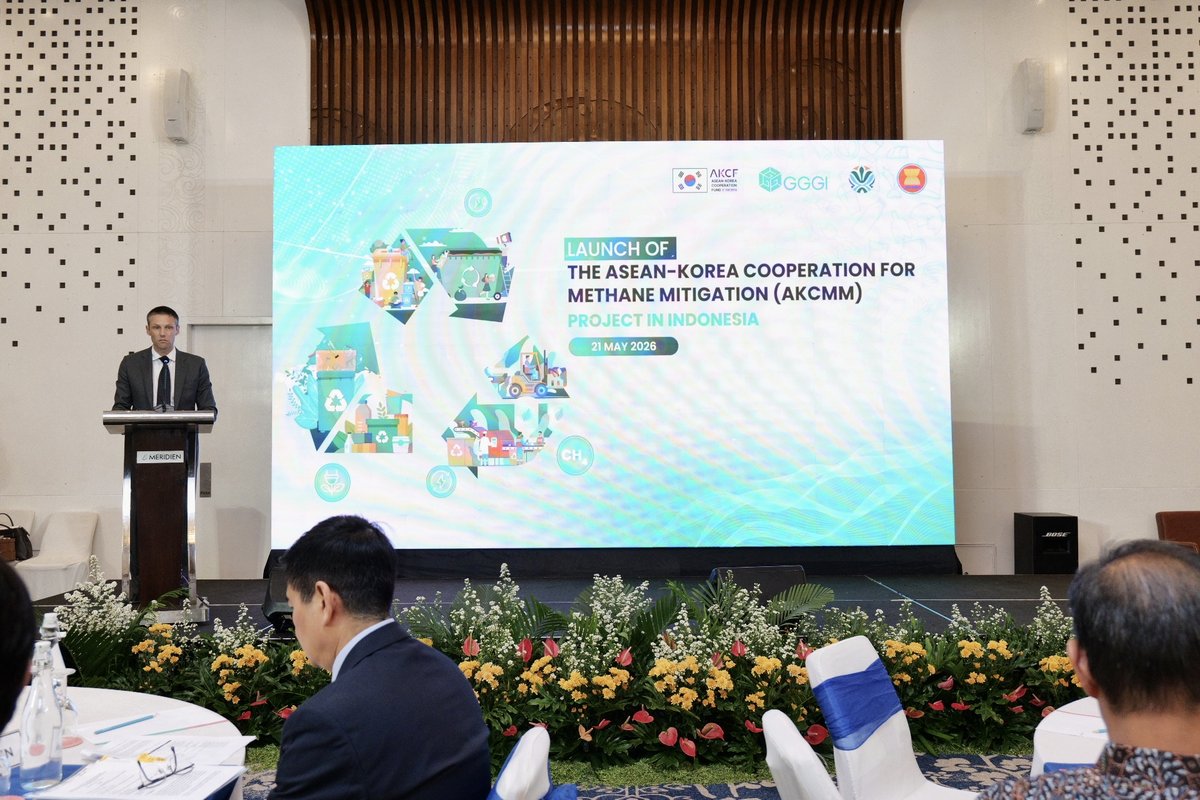
The project’s implementation will be coordinated by the National Working Forum (FKN) through four main pillars: policy strengthening, enhancing monitoring systems, designing bankable financial projects, and developing a regional dialogue.
The AKCMM initiative builds on earlier regional efforts to strengthen collaboration between ASEAN member states and the Republic of Korea in addressing methane emissions. By leveraging existing institutional, technical, and financial groundwork, the project aims to accelerate large-scale emission reductions while supporting Indonesia’s National Medium-Term Development Plan (RPJMN 2025–2029). Furthermore, it reinforces Indonesia’s strategic role in advancing green diplomacy and sustainable waste management practices across Southeast Asia.