Khon Kaen, Nakhon Ratchasima and Saraburi, Thailand
10–11 September 2026
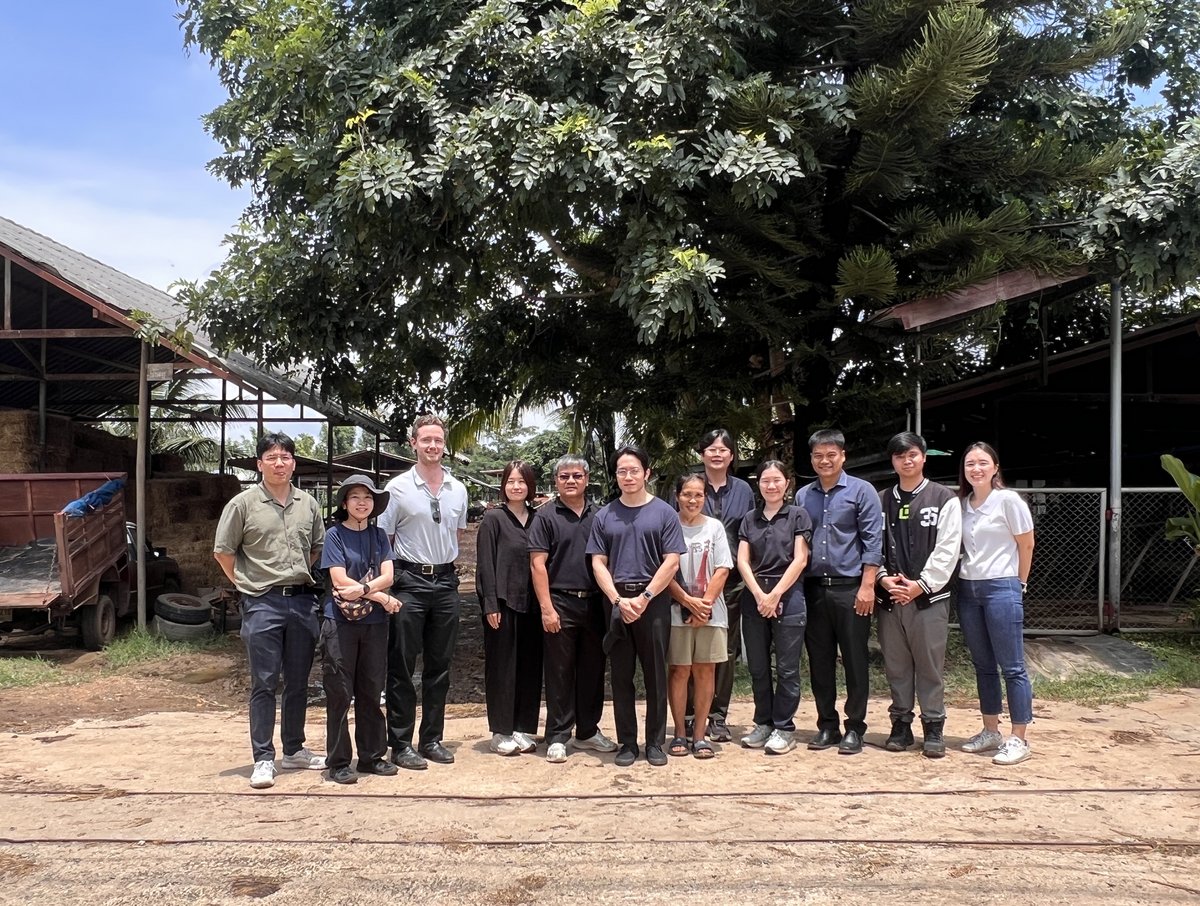
The ASEAN-Korea Cooperation for Methane Mitigation (AKCMM) Thailand convened a two-day technical field visit to support the ongoing feasibility study on reducing methane emissions from dairy cattle in Thailand.
The visit brought together representatives from the Department of Livestock Development (DLD), Rajamangala University of Technology Lanna, Nan Campus (RMUTL), Global Green Growth Institute (GGGI), and participating feed additive providers to review the implementation of methane mitigation interventions under both controlled testing and real farm conditions.
The feasibility study forms part of AKCMM Thailand's work under Output 3, which focuses on identifying and developing methane emission reduction opportunities. Enteric fermentation from livestock was identified as one of the priority areas for further assessment, with the study combining controlled testing at a DLD facility in Khon Kaen with on-farm trials at participating dairy farms in Nakhon Ratchasima and Saraburi provinces.
Combining scientific evidence with practical implementation
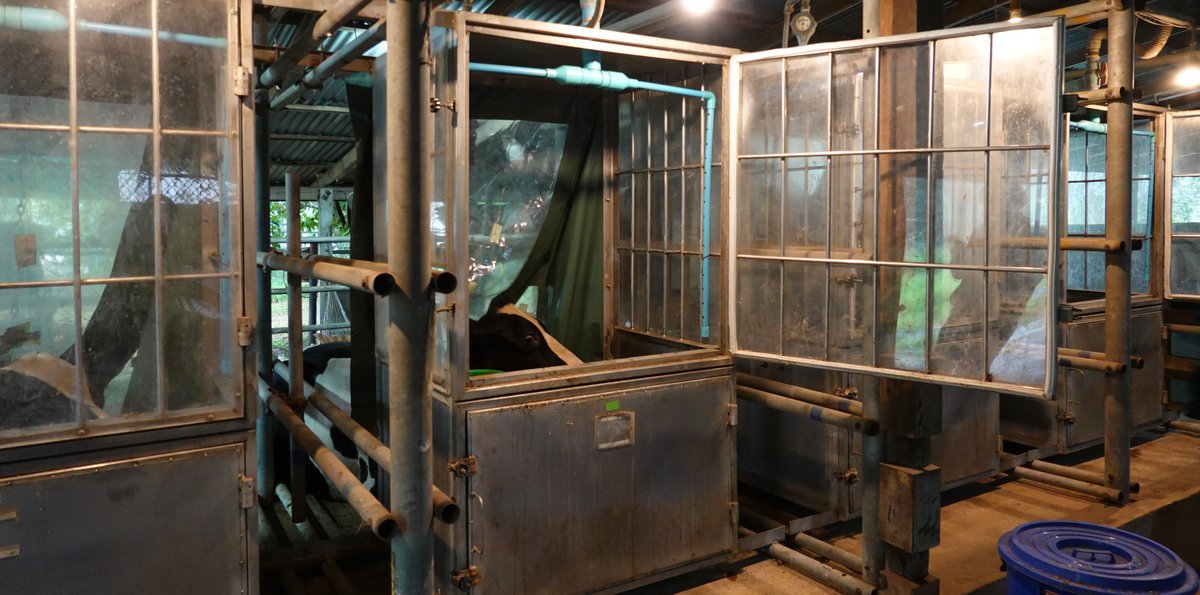
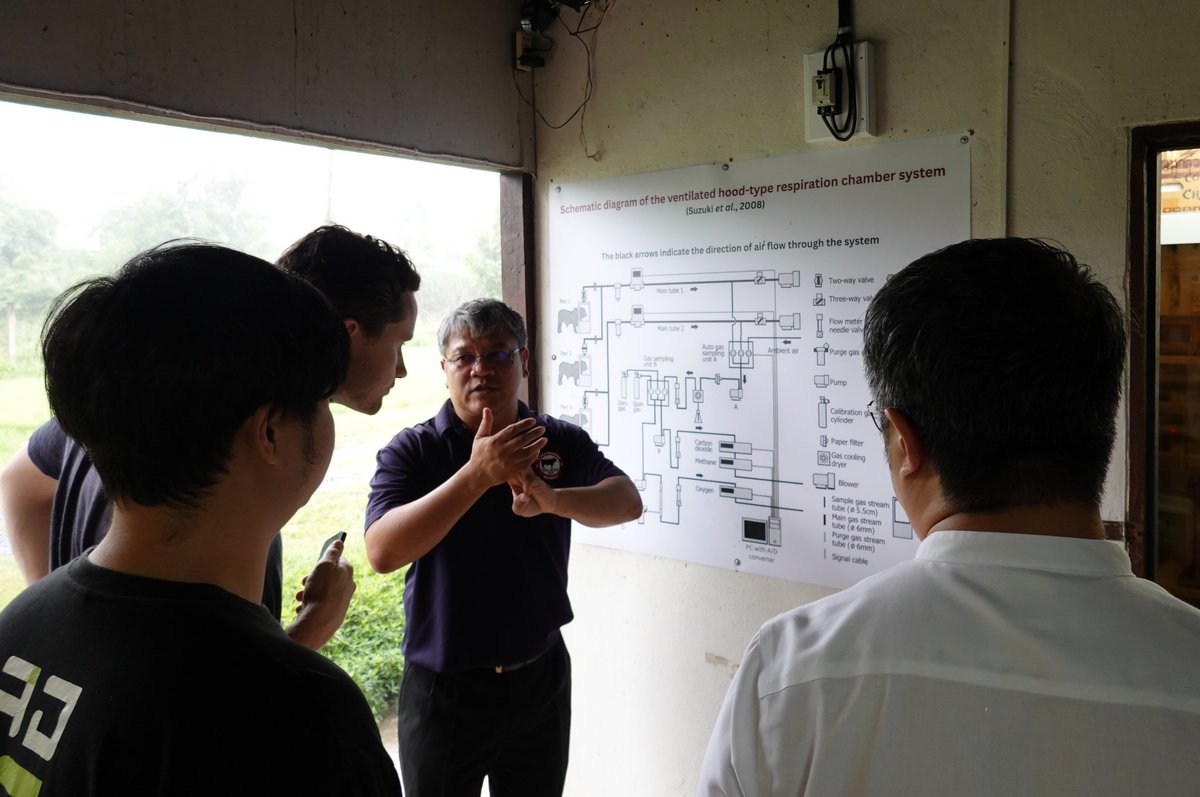
The feasibility study is designed to assess methane-reduction interventions from two complementary perspectives: generating scientifically robust evidence on methane emissions using respiratory head hood chambers and assessing how the interventions can be applied under local dairy farming conditions.
During the technical field visit, government experts, researchers, GGGI and participating product providers reviewed progress across both components of the study. Discussions at the DLD testing facility focused on the methane measurement approach, study implementation and technical considerations relevant to the interpretation of results.
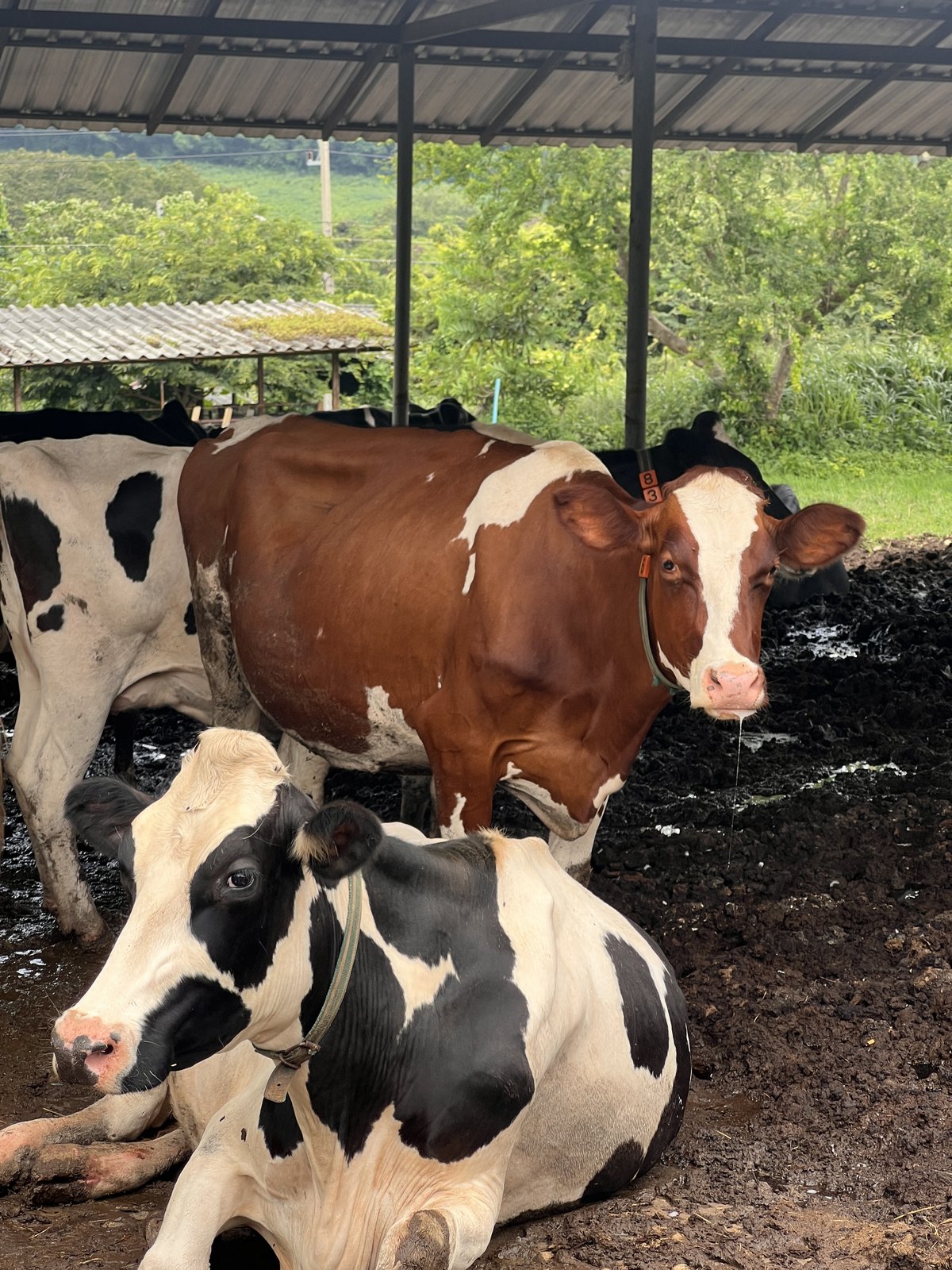
The delegation also visited participating farms in Nakhon Ratchasima and Saraburi provinces to engage directly with farmers on their experience administering the feed additives and to identify practical considerations that may influence future adoption.
Combining these two perspectives is important for the overall assessment. While controlled testing provides the scientific evidence needed to evaluate methane reduction performance, the on-farm component helps assess whether the interventions can be effectively integrated into existing feeding practices and farm operations.
Findings from both components will inform AKCMM Thailand’s assessment of potential enteric methane mitigation interventions and provide a stronger basis for considering future implementation in Thailand’s dairy sector.